
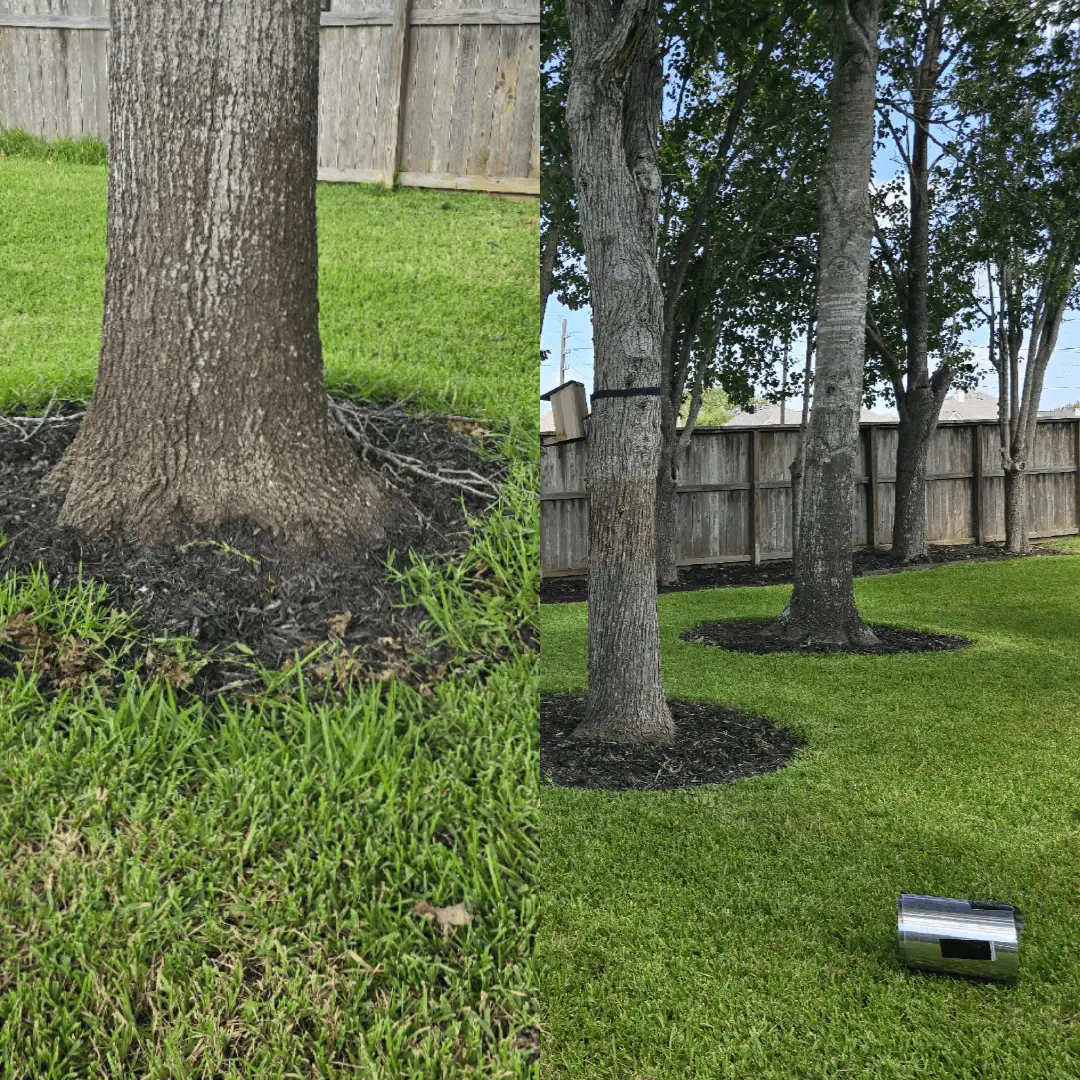
weekly vs biweekly lawn care Houston: Weekly vs biweekly lawn care Houston decisions usually come down to grass growth, rain, irrigation, and how clean you want the yard to look between visits.
Table of Contents
- Quick Answer
- Why Frequency Matters
- When Weekly Lawn Care Makes Sense
- When Biweekly Lawn Care Can Work
- Grass Type Matters
- Rain Can Change the Schedule
- How to Decide
- FAQ
Quick Answer
Weekly vs biweekly lawn care Houston decisions usually come down to grass growth, rain, irrigation, and how clean you want the yard to look between visits.
Weekly lawn care is usually the better fit when grass is growing fast, the lawn is irrigated, the yard has St. Augustine or Bermuda that gets regular sun, or the property needs a consistently clean look. Biweekly lawn care can work for slower-growing yards, shaded areas, lower-maintenance properties, or periods when growth naturally slows down.
In the Houston and Fort Bend area, the right answer can change by season. Heat, rain, irrigation, shade, and grass type all affect how quickly a yard needs attention.
Why Frequency Matters
Mowing is not just about making grass shorter. A good schedule helps avoid scalping, heavy clumps, uneven edges, and stressed turf. If too much grass is removed in one visit, the lawn can look brown or patchy because too much green leaf tissue was cut at once.
Texas A&M turf guidance commonly uses the one-third rule: avoid removing more than one-third of the grass blade at a single mowing. That is one reason a yard that waits too long between cuts may need extra time or cleanup.
When Weekly Lawn Care Makes Sense
Weekly service is often the cleaner choice during active growing months, especially from spring through early fall.
Weekly mowing may fit your yard if:
- Grass is growing quickly after rain.
- The lawn has St. Augustine or Bermuda in sunny areas.
- The property has irrigation.
- You want edges and walkways kept consistently sharp.
- The yard gets noticed by neighbors, customers, or an HOA.
- Biweekly visits leave the grass too tall before the next cut.
Houston humidity and rainfall can push growth quickly. A yard that looked fine at day seven may look heavy by day twelve, especially after warm rain.
When Biweekly Lawn Care Can Work
Biweekly service can be a practical option when the lawn grows more slowly or the customer is mainly trying to keep the property maintained without a weekly visit.
Biweekly may fit if:
- The yard is partly shaded.
- Growth is slower during cooler or drier periods.
- The property is already under control.
- You are comfortable with a less manicured look between visits.
- The grass does not exceed a healthy cutting amount between services.
LoneGreen has dedicated biweekly lawn care pages for Sugar Land and Richmond customers, but biweekly service is not the best fit for every yard at every time of year. If the lawn regularly gets too tall before the next visit, weekly service may protect the appearance of the yard better.
Grass Type Matters
St. Augustine is common in Houston-area lawns and often performs best when it is not cut too short. During active growth, it may need weekly mowing or mowing often enough to avoid scalping.
Bermuda can tolerate lower mowing heights than St. Augustine, but it can also grow aggressively in sunny areas. Texas A&M notes that bermudagrass home lawns often require weekly mowing during the growing season, or as often as needed to prevent scalping.
The same neighborhood can have lawns that need different schedules because shade, irrigation, soil moisture, and turf type vary from property to property.
Rain Can Change the Schedule
Heavy rain can create two opposite problems: grass grows faster, but the lawn may be too wet to cut cleanly right away. Mowing when the soil is soft can leave ruts, and wet clippings can clump on the lawn.
That is why a weekly or biweekly schedule should still leave room for weather judgment. A short delay can be better than damaging a wet yard.
How to Decide
Use this simple test:
- If the lawn still looks controlled before the next visit, biweekly may work.
- If the grass is tall, thick, clumpy, or hard to cut by the next visit, weekly is probably better.
- If the yard changes with the season, adjust the schedule instead of forcing one plan all year.
For an estimate, send LoneGreen your address or service area, a few current yard photos, and whether you are looking for weekly or biweekly service. If you are in Sugar Land, Richmond, or nearby Fort Bend areas, LoneGreen can help you choose a schedule that fits the real condition of your yard.
FAQ
Is biweekly lawn care enough in Houston?
Sometimes. It depends on grass type, rain, irrigation, shade, and the look you expect between visits.
Is weekly mowing always better?
Not always. Weekly service can be more than some slower-growing yards need during cooler or dry periods.
Can I start biweekly and switch later?
That is a good question to confirm when requesting an estimate. Many yards need different care during different parts of the year.
weekly vs biweekly lawn care Houston: Local Decision Factors
For LoneGreen customers, weekly vs biweekly lawn care Houston is not a one-size-fits-all question. Yard size, access, grass growth, existing landscape condition, and the season all affect the best next step.
weekly vs biweekly lawn care Houston FAQ
Can LoneGreen give an estimate from photos?
Photos can help start the estimate conversation, especially when they show the front yard, backyard, side access, and any cleanup or landscape-bed details. Some conditions may still require follow-up before final pricing.
What is the best next step?
Need help choosing a schedule? Request a LoneGreen lawn care estimate and include current yard photos, grass condition, and whether you prefer weekly or biweekly service.
Helpful LoneGreen Links
- Lawn Care Sugar Land
- Lawn Care Richmond
- Biweekly Lawn Care Sugar Land
- Biweekly Lawn Care Richmond
- Request an Estimate